

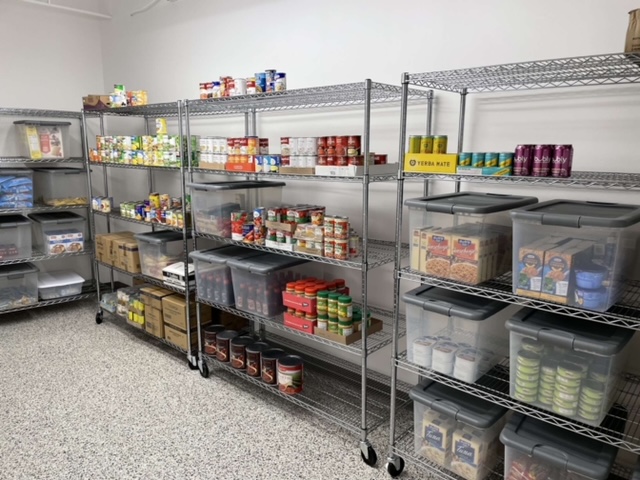
One of the most common misconceptions about eating on a budget is that it is inherently miserable. And while the reasons for it often are—thanks, federal government shutdown!—it is possible to feed yourself without giving up on flavor or nutrition.
I (obviously) have no professional qualifications, given that this is a student-run paper. However, I have been feeding myself on an extremely tight budget for quite a while, and have yet to give myself food poisoning. That probably counts for something.
Learn the Fundamentals of Cooking
No more freezer meals or fast food. Those are too expensive.
Instead, learn some basic cooking skills. Methods to enhance flavor. It does not matter whether you can chop an onion into perfect cubes if you do not know what to do with them.
Learn about the purpose of a mirepoix. Learn how to reduce a sauce. Learn how to toast spices.
“Salt Fat Acid Heat”
“Salt Fat Acid Heat”, a cookbook by Samin Nosrat, outlines one of the most important ideas. Every meal benefits from a balance of those four namesake elements.
Salt is self-explanatory. Common “fats” are butter, meats and cheeses. Acids include lemon juice, vinegar and tomatoes. Cayenne pepper and hot sauce work well to add heat. Note, however, that you do not need to make a dish spicy to fulfill that requirement. Adding just a little bit of cayenne puts your tastebuds on “alert” and makes the other flavors more potent. Eventually, you will develop a sense for what a dish might need.
A more thorough summary of this principle can be found online.
Soup!
Soup is a godsend. Not only is it filling, but you can put just about anything in it, and it will probably taste good.
Put a quart of water in a pot. Add a few bouillon cubes. Throw some canned vegetables in there. Let it boil for a while. Season it. Boom! Soup.
Season it. Please. I beg of you.
One sprinkle of paprika is not proper seasoning. No, not even smoked paprika.
Wars were fought over spices. Use them. Do not dump an entire container of cumin into your chili; however, you should be able to taste what you add. Most spices are cheap, so there is little reason to avoid them.
Frozen Vegetables
Fresh vegetables are great, but the price tag can be iffy. Frozen vegetables are not only cheaper, but they are also flash-frozen at the peak of their ripeness, often immediately after harvest.
They may not be as crisp as fresh vegetables, but that rarely matters once they are cooked.