
Not yet a month into the new year, Spain’s railways already had multiple fatal train crashes occur. Spain, in general, has been known for its investments in high-speed trains and its large rail network across Europe. This is their deadliest railway crash since 2013.
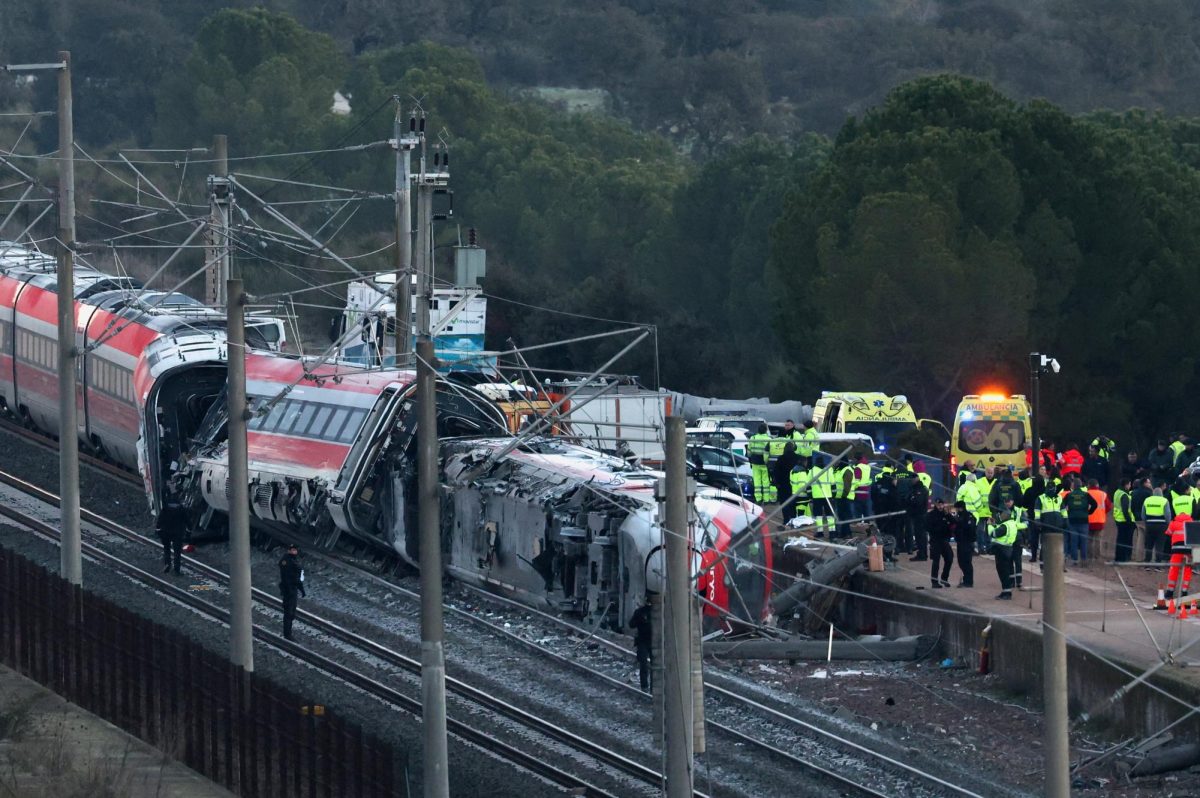
The first train crash occurred at Adamuz, Spain, near Córdoba. The crash involved two trains: one from Iryo and the other from Renfe. An hour after the Iryo train left Málaga for Madrid, the last three carriages derailed, crossing onto the other track and colliding with the incoming Renfe train, pushing it onto a thirteen-foot slope. From this crash, forty-five people died and dozens were injured. Most of the fatalities came from the Refe train.
The crash is believed to have occurred due to previous damage to the rails. Fractures in the rail matched with notches on the wheels, suggesting that they may have struck the broken parts of the rail, causing its derailment. The transportation minister, Óscar Puente, confirmed the appearance of the grooves in the wheels and that similar damage had come in from other trains on the days prior. It is believed there was nothing wrong with the Iryo train itself, as it had passed a safety check earlier in January.
Passengers on the trains said the journey became bumpy as the train cars began to quiet down. When they heard the crash, the train stopped, the lights went out and yells came from the carriages farther back on the train. Originally, the Iryo driver did not know what had happened or that his train had been part of the crash.
After the crash, people came out to provide medical attention, improvising bandages and helping transport the injured people they were able to reach. Some of the carriages had been damaged, making the evacuation less smooth. A few hours later, the remaining people were evacuated by bus. The collaboration of the people from both trains involved greatly improved the situation before help arrived.
The crash between the Renfe and Iryo trains was not the only crash in Spain this year: there were also crashes near Northeastern and Southeastern Spain. While in total, from the other two crashes, only one person was killed and six were injured, there have been multiple questions coming into light about the railways because of these three incidents. There have also been calls for a strike from Unions in response, demanding safety assurances for the people who often take or run the railways.
While there were no human or safety errors in the operation of the trains themselves, questions remain in the air. Many concerns raised about fractures in the railways and the harm they can cause to trains and the people riding them. For now, though, the railways involved seem to be working to figure out how to alleviate this issue and keep their large railway network across Europe safe for the citizens who use this high-speed public transportation.