

Across the world, there have continued to be issues with carbon footprints, carbon emissions and environmental damage. Because of this, there have been general budgets, consumption outlines and goals that both companies and groups across the world strive to meet. Unfortunately, such goals have been hit hard by the carbon consumption of some of the world’s richest people.
The richest 1% of the world has already exhausted their annual emissions share within the first ten days of the year. The richest 0.1% of the world, on the other hand, only took three days to exhaust their carbon budget. This is believed to have happened due to the daily emissions from the 0.1%. In 2024, a little over 300 billionaires could be connected to the emission of over 580 million tonnes of CO2. Their emissions have steadily increased since 1990 and continue to rise.
To stay within the recommended global warming limit, the wealthiest 1% would have to cut their emissions by 97% over the next four years. Currently, much of the steady rise of these emissions is because of industries creating large carbon footprints, overconsumption and not environmentally sustainable accumulation of wealth.
The large carbon footprint can be partially attributed to private jets and yachts, as they tend to be more carbon-intensive. Meanwhile, the unsustainable accumulation of wealth only grows as money and influence continue to impact policymaking and climate agreements.
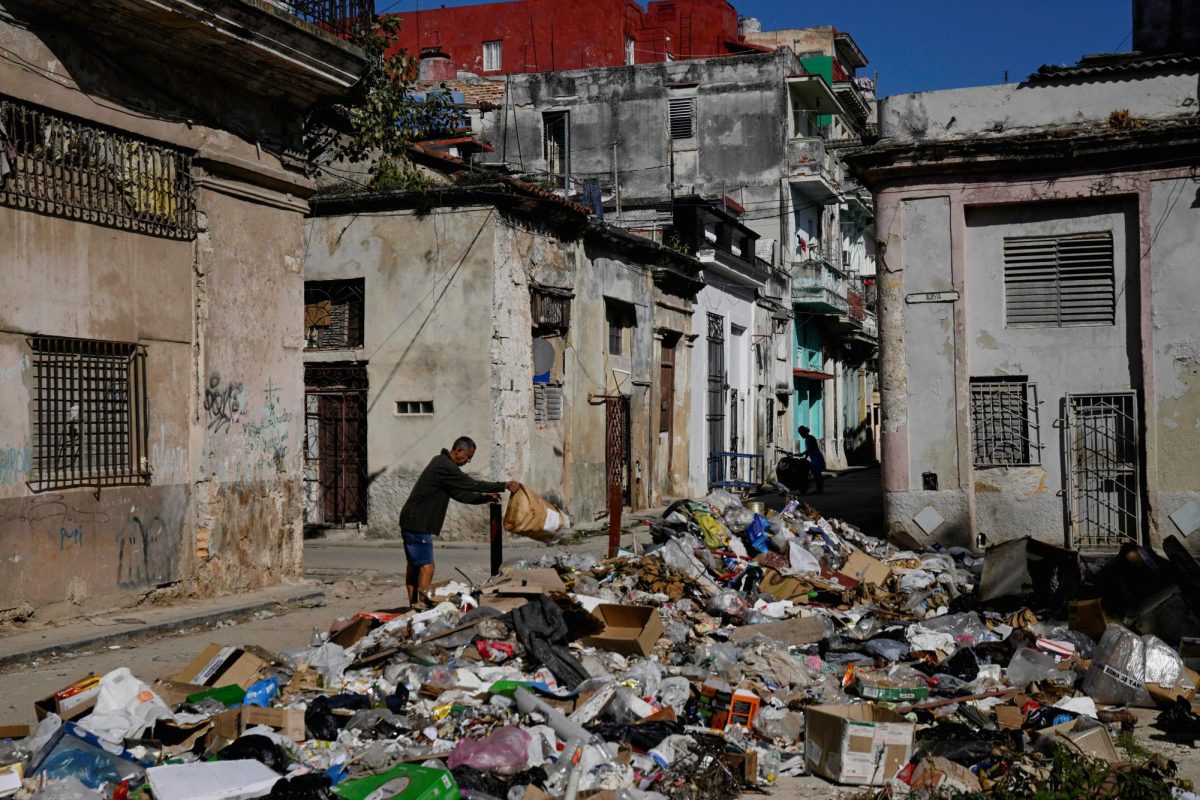
Low and lower-middle-income countries and communities are most affected by this heavy carbon footprint. This is because an unstable climate can lead to freezing colds, extreme heats and increasingly destructive weather events.
While a very heavy influence on the environment comes from companies or those with higher wealth status, individuals can still assist with sustainability efforts. For some, these efforts include reducing fossil fuel, electricity and water usage. Composting, recycling and reducing overconsumption are also ways that people generally try to lessen the impact on the environment around us.
Although the richest in the world have already exceeded their carbon emission share and budget, there is always more work to be done to lessen this impact. This can come from companies or ordinary people, and such efforts have continued to grow. With all of this, though, there are concerns about carbon footprints and emissions now, but progress has been made before and will continue to be made.